Eat Your Vegetables
I’m weirdly intrigued by the word “taste.”
My friend Karthik once asked our research group, “How do I develop research taste?” and it’s been rattling around in my head because it’s such a loaded question.
I think the better question to ask first is:
What does it actually mean to have “taste”?
- If I make a tier list of burger joints and flex my OBVIOUSLY superior preference for handcrafted smash burgers over In-N-Out, does that mean I have taste?
- If I’d rather sit in a Herman Miller Eames sipping loose-leaf Tieguanyin, is that more “tasteful” than sitting in a farmhouse with distressed-reclaimed wood tables and drinking bourbon?
- If I enjoy Monet’s impressionism and Warhol’s pop art, does that make me a basic b?
You get the point. A lot of this is obviously just “preferences”. But if we strip the preference away, what’s left? What is taste?
I think the reason I have been doom scrolling r/ATBGE (Awful Taste But Great Execution) so much is probably because the subreddit makes the point that taste isn’t something you can just buy. It is not a purchasable aesthetic nor is it an inborn trait. As demonstrated by the oval office interior decoration…

Coincidence!? I think not.
You are what you consume
Take food for example.
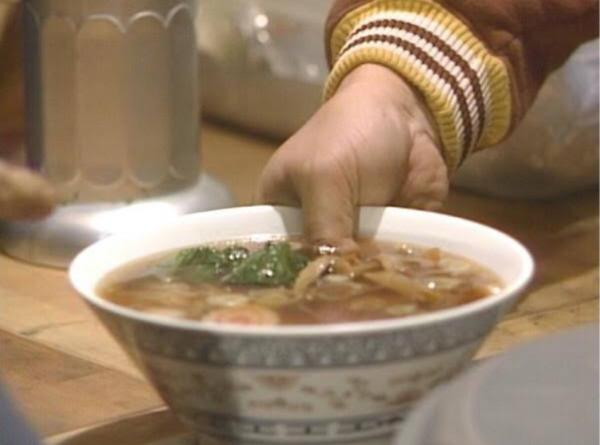
Growing up in Taiwan, the street food culture is huge and it is a fundamental law the less hygienic the stall the tastier the food. Craving oyster misua with pig intestines? Go to the one where the soup’s got Ama’s special finger treatment.
Stinky Tofu? Tofu soaked in fermented rotten vegetable brine and deep fried? Fucking delicious. What? You don’t like it? Well, it’s “an acquired taste”.
Taste can be something that initially feels foreign, even wrong, until you spend enough time with it that your body updates its opinion.
Maybe stinky tofu and oyster misua doesn’t land with you. Just imagine yourself fucking exhausted, slightly lonely in a foreign land and stumbling upon food that “taste like home”. Maybe part of the taste we develop is simply whatever kept us steady in uncertainty.
Comfort sorta becomes … a compass.
You develop taste over the course of your life, and the thing that drives that development is the things you have consumed. It is a trained filter that gets shaped over time by repeated exposure, especially through discomfort, acclimation, and memory.
It tells you what’s worth wanting, paying attention to, and returning to. The “subjective” part never disappears, but it stops being random and becomes shaped. Preference is the answer. Taste is the thing that generates that answer.
You are what you consume.
Calibrating Your Taste
So if taste is something that you’ve developed from repeated consumptions….How do I develop taste?
We have always been told to avoid ultra-processed food, and I think the same very well-applies to information consumption. We live in a time where there’s an absurd amount of information to consume, and attuning your taste to decide which sources of information you let in ultimately becomes the most important thing to do.
So the three takeaways from this episode of old man yells at cloud:
- Forage: Try everything at least once. Friston’s “epistemic foraging”.
- Indulge: Return to what aligns with you intrinsically, but with intent.
- Eat your vegetables: Submerge yourself in classics and fundamentals; the fibrous stuff calibrates your palate.
To put this into research:
Taste is the selection mechanism under abundance
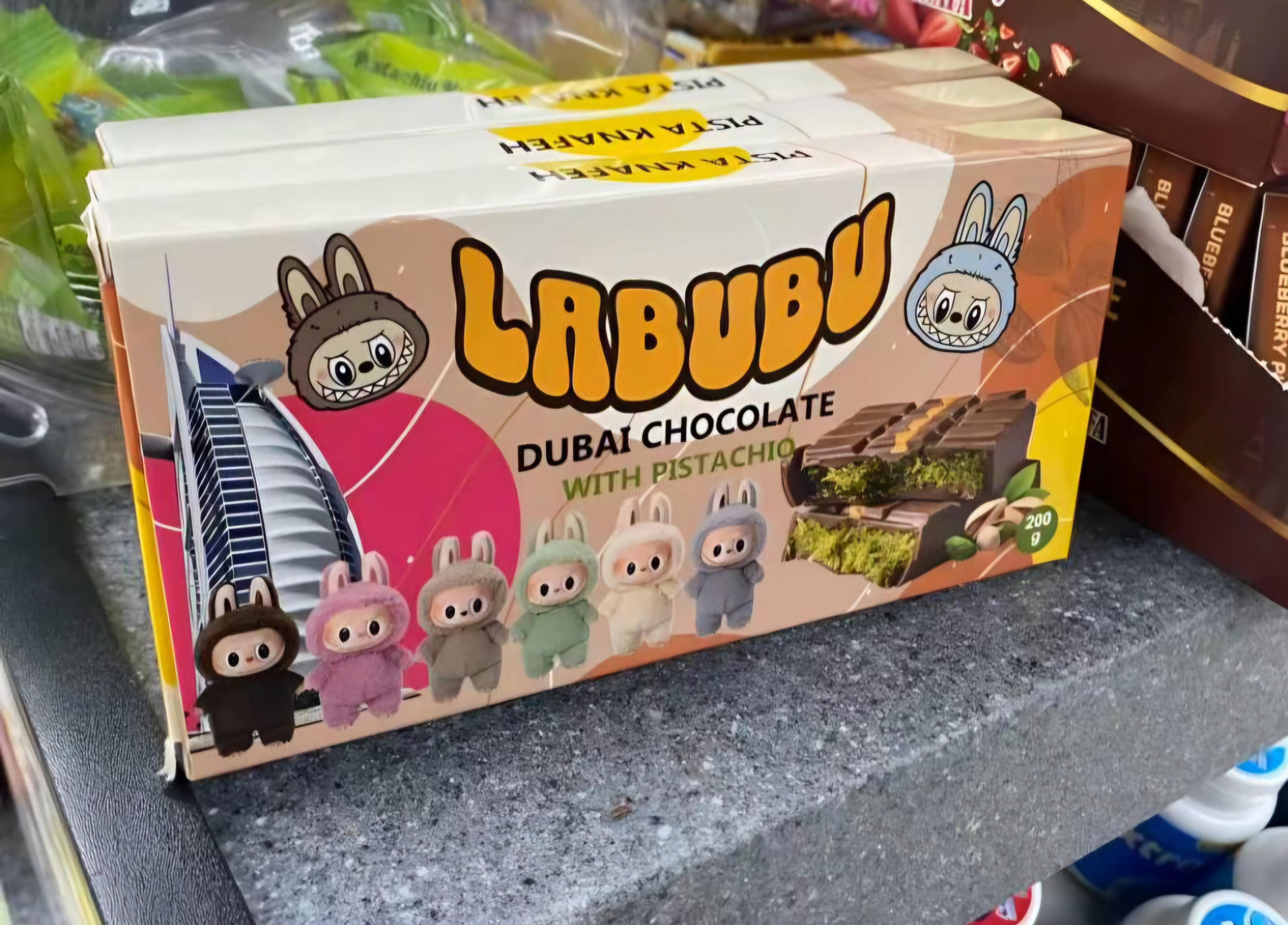
It is what allows us to tell the difference between novelty that’s merely dubai-chocolate-covered labubus and novelty that’s actually a paradigm shift that changes what becomes possible. And those things are foundational papers that are especially hard to read and filled with math that we can’t just skim over.
Which is very difficult because the research world keeps asking us the simpler question:
“aRe YoU beAting tHe beNChmarks?”